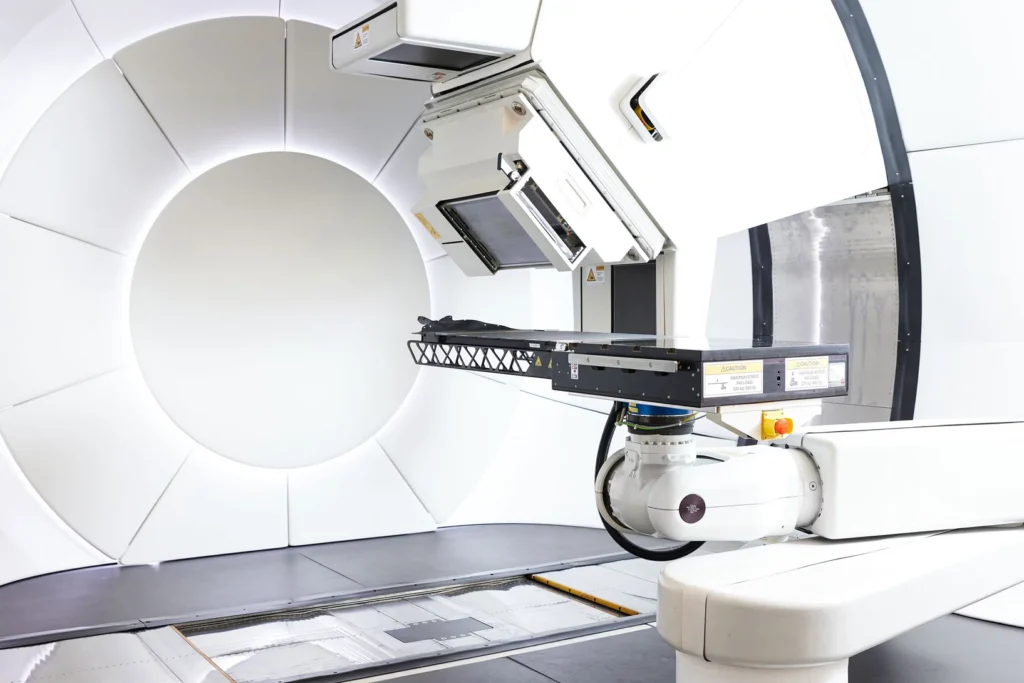
Content provided by hospital



Proton therapy is the most effective and safest method of radiation therapy available today.
The primary advantage of proton therapy is its minimal impact on healthy tissues, reducing the risk of developing secondary cancer in the future.
This is why proton therapy is primarily used for children. Children have a longer expected lifespan, and the use of standard radiation therapy is highly likely to lead to secondary cancer in adulthood. Proton therapy significantly reduces these risks.
High precision and low risk of delayed complications are the main advantages of proton therapy
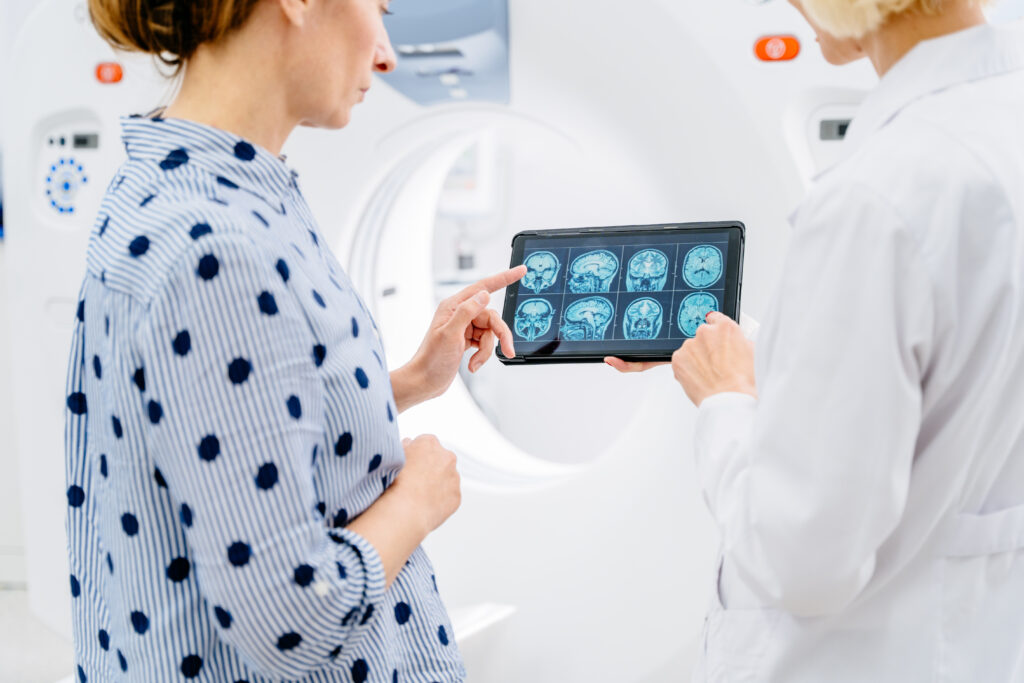
In a study published in January 2024 by the authors from Sun Yat-sen University Cancer Center, treatment outcomes were compared for patients diagnosed with squamous cell carcinoma of the head and neck who received either standard radiation therapy or proton therapy between 2015 and 2019.
A total of 60,586 cases from 17 medical centers were analyzed.
Patients who received proton therapy had significantly lower mortality risks.
Proton therapy demonstrated better results in terms of overall and cancer-specific survival, as well as a lower risk of regional recurrences compared to traditional radiation therapy.

Due to the limited number of proton therapy centers worldwide and their restricted capacity, initial protocols recommended proton therapy primarily for children, while adult patients were offered traditional radiation therapy.
The main drawback of this technology is its high cost and limited availability. However, increasing investments are being made in this field.
With the development of new modern centers, it becomes possible to offer proton therapy to a larger number of patients and include proton therapy in treatment protocols for adult patients.

Sources
Comparing the oncologic outcomes of proton therapy and intensity-modulated radiation therapy for head and neck squamous cell carcinoma
The Lancet Oncology. The Lancet Cancer Campaign. Pediatric cancer.
Fill out the form and we will contact you shortly
Protontherapy.help provides a consultation service with a general practitioner.
During the consultation, the specialist conducts an initial assessment of your medical case for compliance with the main criteria for proton therapy and answers basic questions.
The service is provided free of charge and does not impose any obligations on the patient.
To receive an individual treatment plan, a consultation with a radiation oncologist is required, this service may be paid, depending on the conditions of the proton therapy center you have chosen.