
Content provided by hospital

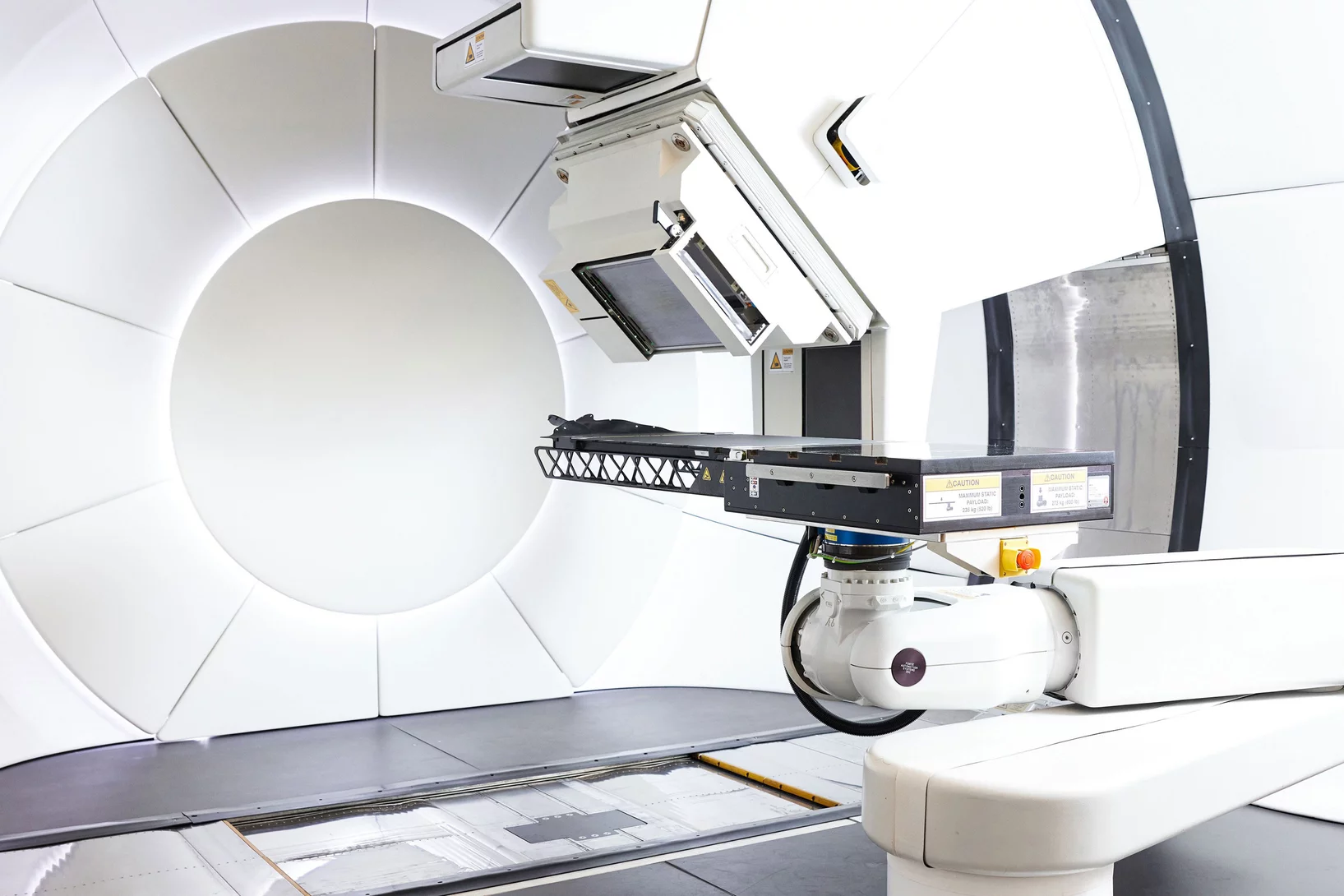

Proton therapy is the most precise and safest method of radiation therapy, so it can be recommended for all patients who need such treatment.
However, due to the limited availability and high cost of proton therapy, there are criteria for dividing patients into groups. Thus, the treatment is primarily given to those patients who need it most and have a chance to achieve the best results with its help. One of the main criteria is life expectancy

In the first standardized guidelines, proton therapy was recommended only for children, while adult patients were offered standard radiation therapy. However, with the increase in the number of proton therapy centers, it became possible to offer this type of treatment to more patients, including adults.
According to the latest recommendations of the American Society for Radiation Oncology (ASTRO), patients are divided into the first and second group according to the order in which the treatment should be received. Within the groups, patients are divided by age and diagnosis.

Proton therapy may be recommended for those patients in whose case an adequate therapeutic effect can be achieved only by proton therapy, or the effect of standard radiation therapy will be significantly inferior. This applies to the following cases:
Additional criteria may be considered at the discretion of the attending physician.

This group includes patients for whom proton therapy is the treatment of choice and can be performed first.
Based on an assessment of medical necessity and published clinical data, which include patient age, tumor type and location, and other factors, the following patients are included in the first group:
|
General criteria |
|
Benign or malignant tumors or hematologic malignancies in children aged 21 years and younger treated with curative intent and occasionally palliative intent treatment of childhood tumors when at least one of the three criteria noted above |
|
Benign or malignant tumors or hematologic malignancies in the adolescent/young adult (AYA) population aged 22 years to 39 years treated with curative intent when at least one of the three criteria noted above |
|
Patients with genetic syndromes making total volume of radiation minimization crucial, such as but not limited to NF-1 patients, deleterious ATM mutations, Li-Fraumeni, retinoblastoma patients, and patients with known or suspected genetic mutations. In addition, patients with other genetic mutations who are at increased risk of developing second cancers at or near the same body location such as but not limited to BRCA 1/2, Lynch syndrome, etc. |
|
Medically inoperable patients with a diagnosis of cancer typically treated with surgery where dose escalation is required due to the inability to receive surgery. |
|
Re-irradiation cases (where cumulative critical structure dose would exceed tolerance dose) |
|
Primary malignant or benign bone tumors |
|
Tumors of the central nervous system |
|
Ocular tumors, including intraocular melanomas |
|
Tumors that approach or are located at the base of skull, including but not limited to: |
|
Malignant and benign primary CNS tumors excluding IDH wild-type GBM, that are treated with curative intent and with potential for long term prognosis |
|
Primary spine or spinal cord tumors or metastatic tumors to the spine or spinal cord where organ at risk tolerance may be exceeded with photon treatments |
|
Primary and metastatic tumors requiring craniospinal irradiation |
|
Head and neck tumors |
|
Cancers of the nasopharynx, nasal cavity, paranasal sinuses and other accessory sinuses |
|
Advanced stage and unresectable head and neck cancers |
|
Thoracic tumors |
|
Primary cancers of the esophagus |
|
Primary tumors of the mediastinum, including thymic tumors, mediastinal tumors, mediastinal lymphomas and thoracic sarcomas |
|
Malignant pleural mesothelioma |
|
Abdominal tumors |
|
Hepatocellular cancer and intra-hepatic biliary cancers |
|
Non-metastatic retroperitoneal sarcomas |
|
Pelvic tumors |
|
Advanced and unresectable pelvic tumors with significant pelvic and/or peri-aortic nodal disease |
|
Patient with a single kidney or transplanted pelvic kidney with treatment of an adjacent target volume and in whom maximal avoidance of the organ is critical |
This group includes patients in which proton therapy can be replaced by a standard radiation therapy, if the first one is not available.
Based on an assessment of medical necessity and published clinical data, which include patient age, tumor type and location, and other factors, the following patients are included in the second group:
|
Head and neck tumors |
|
All other head and neck cancers not included in Group 1 i.e., Periorbital tumors, primary tumors of the salivary glands, Head and neck cancers with indications for concurrent systemic therapy |
|
Cutaneous tumors with cranial nerve invasion to the base of skull, cavernous sinus and/or brainstem |
|
Head and neck cancers requiring ipsilateral radiation treatment (e.g., oral cavity, salivary gland) |
|
Mucosal melanoma |
|
Occult primary of head and neck |
|
Breast tumors |
|
Bilateral breast cancers requiring nodal treatment on at least one side |
|
Locally advanced breast cancer requiring comprehensive nodal irradiation inclusive of the internal mammary lymph node chain |
|
Breast cancer patients being treated with definitive intent and who have unfavorable anatomy (e.g., pectus excavatum) that would deliver unacceptably high doses to organs-at-risk |
|
Breast cancer patients who have limited ipsilateral arm range of motion and require treatment in the arms down position |
|
Early stage left sided breast cancer in which dose to the heart is unacceptably high with conventional photon or photon/electron using cardiac sparing techniques |
|
Patients with clinically involved or suspicious internal mammary lymph nodes in whom dose escalation to the internal mammary chain is clinically indicated |
|
Thoracic tumors |
|
Early-stage lung cancer in which a photon-based plan cannot meet the prespecified constraints or is associated with higher risk of toxicity |
|
Locally advanced lung cancer |
|
Abdominal tumors |
|
Abdominal malignancies, including non-metastatic primary pancreatic, kidney and adrenal cancers |
|
Oligometastatic liver lesions being treated with curative intent in which a photon based plan cannot meet constraints |
|
Genitourinary tumors |
|
Prostate cancer, not fitting pelvic and/or para-aortic lymph node coverage as per Group 1 |
|
Pelvic tumors |
|
Pelvic malignancies, including non-metastatic rectal, bladder and cervical cancers |
|
Tumors of the pelvis, such as anal cancer, or proximal thigh where use of protons results in significant dose reduction to genitalia or reproductive organs |
Resource: American Society for Radiation Oncology: model policy 2022
Fill out the form and we will contact you shortly
Protontherapy.help provides a consultation service with a general practitioner.
During the consultation, the specialist conducts an initial assessment of your medical case for compliance with the main criteria for proton therapy and answers basic questions.
The service is provided free of charge and does not impose any obligations on the patient.
To receive an individual treatment plan, a consultation with a radiation oncologist is required, this service may be paid, depending on the conditions of the proton therapy center you have chosen.