Content provided by hospital



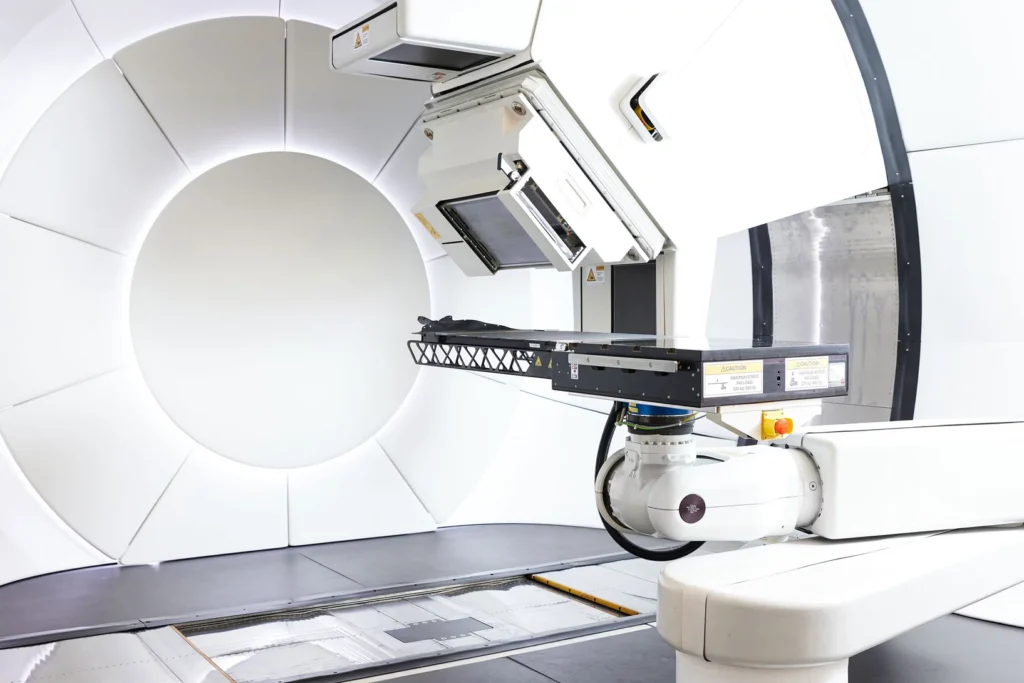
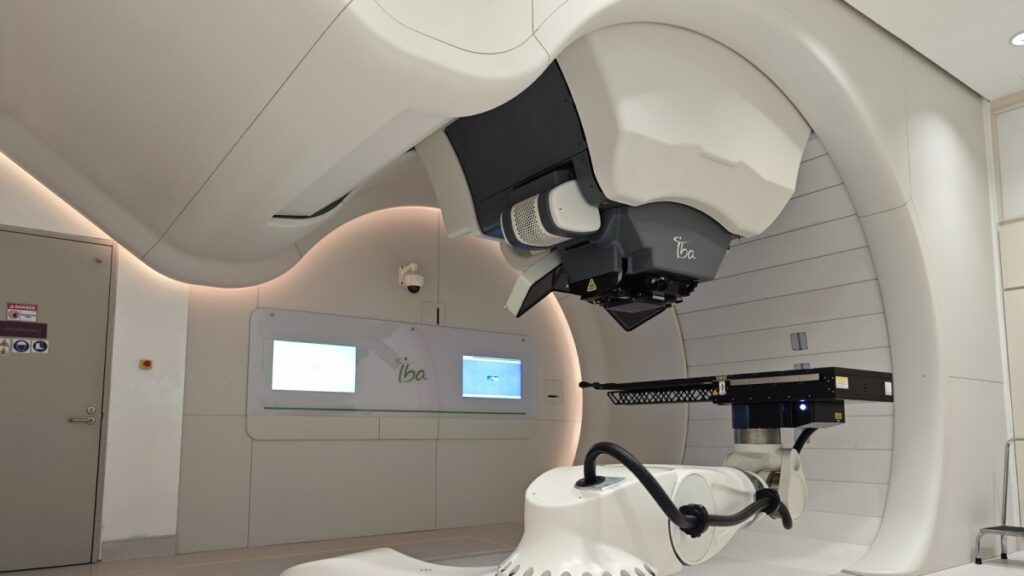
Proton therapy is the most precise and effective method of radiation therapy, which is based on the use of positively charged particles, protons, instead of X-rays.
This method allows for painless targeting of the tumor with radiation energy and halting its growth.
Proton therapy is a promising modern approach to cancer treatment. Ongoing research is comparing the effectiveness of traditional radiation therapy with proton therapy.
According to a study by the University of Pennsylvania (USA), the toxicity of proton therapy is significantly lower compared to traditional radiation therapy: only 10% of patients undergoing proton therapy require special treatment due to side effects, compared to 28% of patients receiving standard radiation therapy.
Proton therapy causes far fewer side effects because its impact is more precisely directed to the tumor tissues, causing less damage to other tissues in the body.
Additionally, the risk of developing radiation-induced cancer is significantly reduced in the long term, making proton therapy the preferred method for patients with a long life expectancy, especially for children.

At present, proton therapy technologies are highly costly, which limits their accessibility. This type of therapy is used only in a relatively small number of specialized centers.
Globally, there are just over 128 proton therapy centers, 46 of which are located in the USA. Additionally, 28 new centers are registered as being under construction, 10 of which are in Spain.
Fill out the form and we will contact you shortly
Protontherapy.help provides a consultation service with a general practitioner.
During the consultation, the specialist conducts an initial assessment of your medical case for compliance with the main criteria for proton therapy and answers basic questions.
The service is provided free of charge and does not impose any obligations on the patient.
To receive an individual treatment plan, a consultation with a radiation oncologist is required, this service may be paid, depending on the conditions of the proton therapy center you have chosen.