Content provided by hospital



According to the Lancet journal, more than 300,000 children worldwide are diagnosed with cancer for the first time every year. The most common types of cancer in children are leukemia (31%), brain tumors (24%) and lymphomas (11%).
Thanks to modern diagnostic and treatment methods, survival rates have increased significantly in recent years. Up to 80% of cancer cases can be cured if the disease is detected early and treated promptly.

The main methods of cancer treatment are surgery, systemic oncological therapy (chemotherapy, immunotherapy, targeted therapy) and radiation therapy. These types of treatment can be used separately or in combination with each other, depending on the characteristics of the medical case and the recommendations of the attending physician.
Radiation therapy stops tumor growth due to the effect of ionizing radiation on its cells. The action of radiation energy interrupts the division of tumor cells and kills them, thereby achieving a therapeutic effect. Radiation therapy can be used in cases where surgical treatment is impossible (e.g. brain stem tumors), or as an additional treatment method to prevent tumor regrowth after its removal (e.g. in cases of craniopharyngioma).
At the same time, ionizing radiation affects not only the tumor, but also healthy cells of the body, which can lead to the development of delayed complications: radiation-induced cancer, hormonal disorders, etc.

When studying statistics, it was found that about 30% (29 out of 320) of patients experienced endocrinological disorders within six years after receiving cancer treatment, 9 of them needed growth hormone replacement therapy.
That is why it is necessary to reduce excessive radiation exposure to the body, especially for children.
In this regard, today they try to use radiation therapy methods that reduce the radiation load on the body as much as possible. Particular attention is paid to female patients, in order to preserve ovarian function.
The use of proton therapy helps to reduce the risk of remote endocrinological complications, on average by 10%.

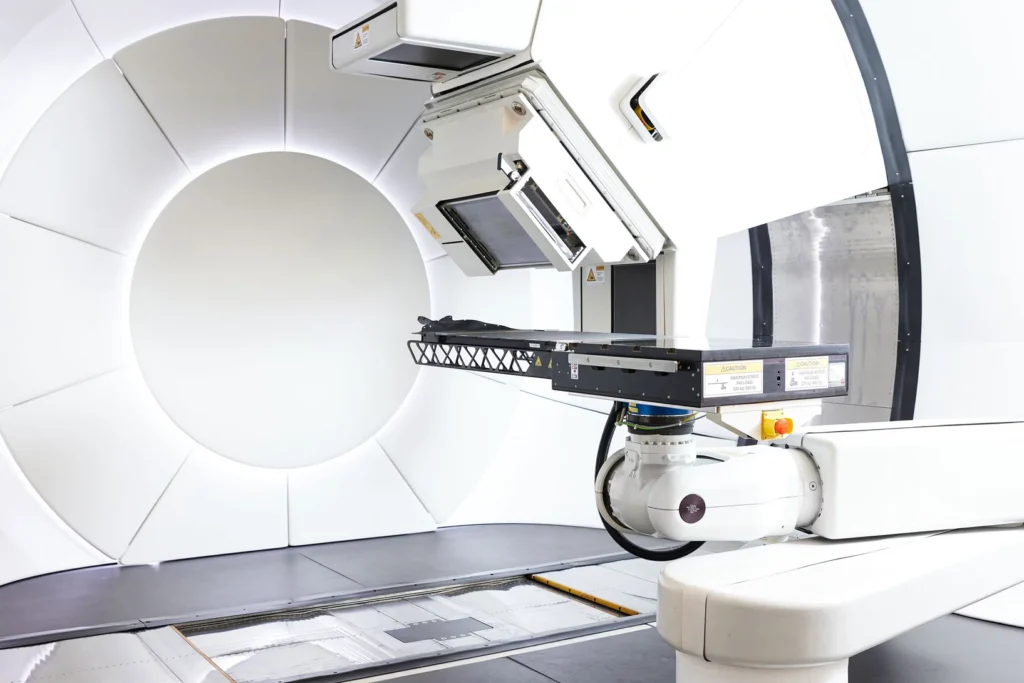
The principle of proton therapy action allows to stop a charged particle in the area of the tumor without irradiating healthy tissue. This makes proton therapy the method of choice in the treatment of many tumors:
Sources
Impact of late radiation effects on cancer survivor children: an integrative review
Evaluation of the main late endocrine effects in children and adolescents after treatment of malignancies
Fill out the form and we will contact you shortly
Protontherapy.help provides a consultation service with a general practitioner.
During the consultation, the specialist conducts an initial assessment of your medical case for compliance with the main criteria for proton therapy and answers basic questions.
The service is provided free of charge and does not impose any obligations on the patient.
To receive an individual treatment plan, a consultation with a radiation oncologist is required, this service may be paid, depending on the conditions of the proton therapy center you have chosen.