Content provided by hospital


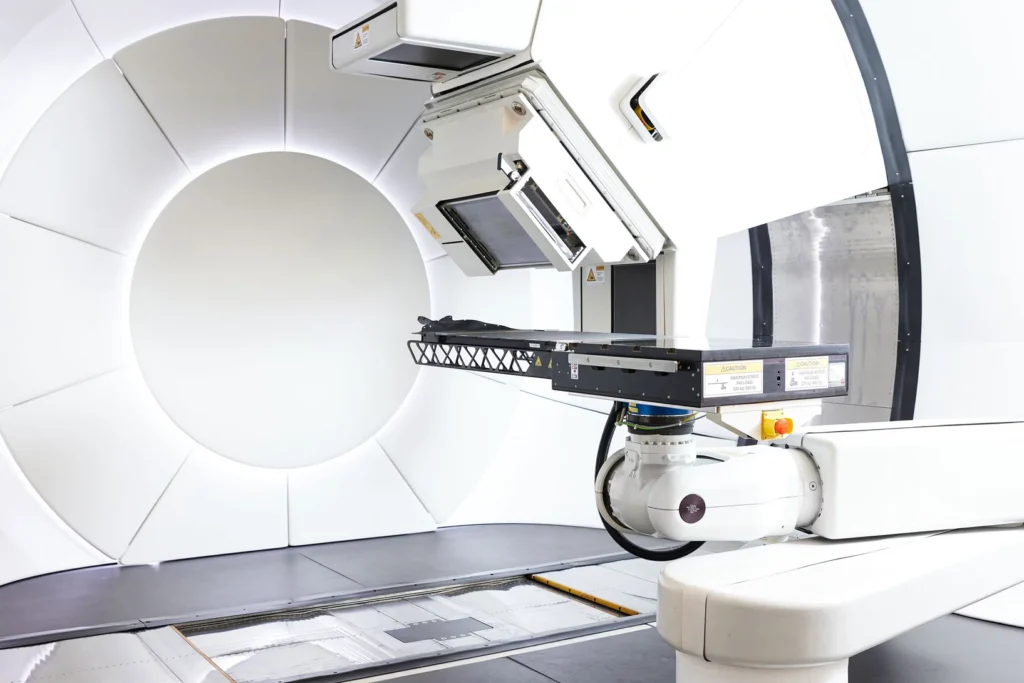
Proton therapy is a highly sophisticated form of radiation therapy that employs protons—positively charged atomic particles—instead of conventional X-rays to eliminate malignant cells. It is particularly advantageous in proton brain cancer treatment because:
It delivers radiation with extreme precision, targeting the tumor while sparing surrounding healthy brain tissue.
It significantly reduces treatment-related side effects compared to standard radiotherapy.
It is especially valuable for treating delicate brain regions and pediatric brain tumors, where preserving healthy, developing tissue is vital.
Find more information about proton therapy in children in our article.
In contrast to traditional photon-based radiation, proton therapy operates on a unique physical principle:
Targeted Radiation: Thanks to the Bragg Peak phenomenon, protons deposit the majority of their energy directly at the tumor site and stop there, rather than passing through and damaging tissues beyond.
Healthy Tissue Protection: Critical areas of the brain—such as the optic nerves, hypothalamus, and memory centers—receive much lower radiation exposure.
Proton Therapy: More energy delivered to the tumor, reaching better therapeutic results. Reduced collateral damage to healthy brain structures and fewer long-term complications.
Conventional Radiation: Greater radiation scatter, potentially affecting surrounding normal tissues.
Proton therapy provides notable benefits in brain tumor management:
Reduced Neurotoxicity: Lower likelihood of memory impairment, cognitive decline, and hormonal disturbances.
Cognitive Preservation: Maintains mental function, essential for children and patients expected to live many years post-treatment.
Pediatric Brain Tumors: Minimizes growth disruption and developmental side effects in younger patients.
This treatment modality is applied to a variety of intracranial tumors, including:
Gliomas (low-grade and aggressive forms like glioblastoma)
Medulloblastomas (especially common in pediatric cases)
Meningiomas (both benign and malignant variants)
Pituitary adenomas
Recurrent brain tumors following prior treatment
Pediatric oncology cases to safeguard the developing brain
A radiation oncologist determines suitability for proton therapy.
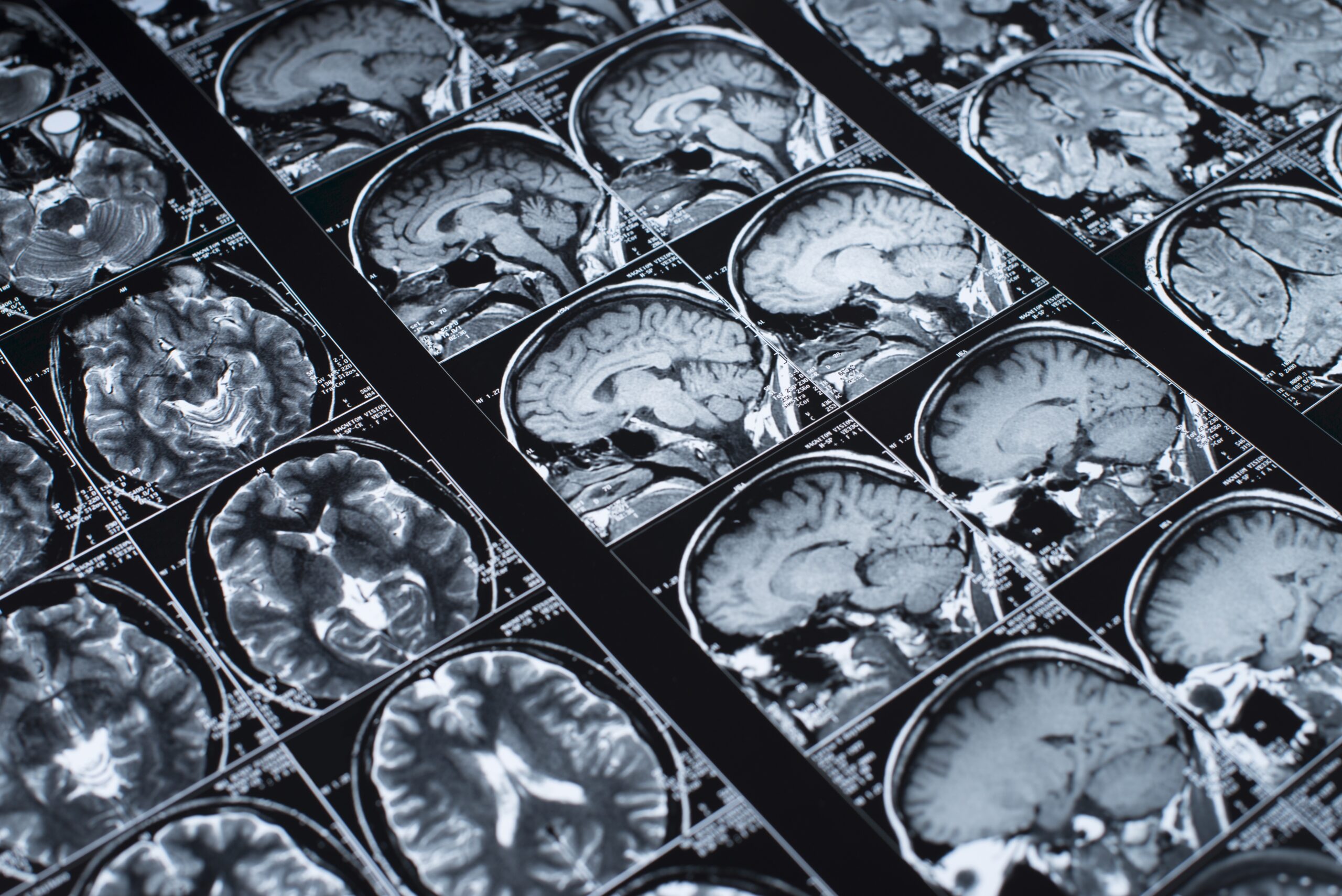
MRI/CT imaging provides a precise three-dimensional map of the tumor.
Physical immobilization
A personalized mask or positioning device ensures the head of the patient remains perfectly still during the proton therapy session.
Anesthesia
General anesthesia may be required if a patient struggles to maintain the position during the session (15 – 30 minutes). Usually it is applied in young children, patients with seizures or individuals with mental disorders.
Typically conducted five days per week for four to six weeks;
certain conditions may require fewer sessions.
Each appointment lasts about 15–30 minutes and is painless.
Ongoing monitoring through clinical exams and imaging to track tumor response:
radiological control (CT/MRI/PET-CT imaging) and a variety of lab tests, including oncomarkers.
Research indicates proton therapy offers:
Comparable or superior tumor control rates versus standard radiation therapy.
Significantly fewer side effects—less fatigue, reduced risk of hair loss, and better cognitive outcomes.
Enhanced post-treatment quality of life, especially in pediatric patients.
While generally well-tolerated, possible side effects and limitations include:
Brain edema (swelling), usually manageable with medication.
Mild skin irritation or hair thinning near the treated area.
Temporary fatigue, typically milder than with traditional methods.
Not every tumor type qualifies; in some cases, surgery or combined therapies are more suitable.
Today, there are over 100 proton therapy centers across the globe, but not all facilities offer the same level of expertise and care. Choosing the right center can make a big difference in your treatment experience and results.
Proven Expertise: Seek out centers with experienced teams who have successfully treated many brain cancer cases using proton therapy.
State-of-the-Art Technology: Modern, well-maintained equipment ensures the most precise and effective treatment delivery.
Ongoing Support: The best centers provide thorough follow-up care, including regular check-ups and imaging, to monitor your progress long after treatment ends.
For individuals diagnosed with brain cancer, proton therapy may offer a precise, effective, and safer alternative to conventional radiation. Speak with a specialist to determine whether this innovative treatment is the right choice for your situation.
General Proton Therapy Overview
National Cancer Institute (NCI) – Proton Therapy for Cancer
Mayo Clinic – Proton Beam Therapy
Proton Therapy for Brain Tumors
American Society for Radiation Oncology (ASTRO) – Proton Therapy Guidelines
Proton Therapy Collaborative Group (PTCOG) – Clinical Indications for Brain Tumors
Clinical Studies & Outcomes
Journal of Clinical Oncology – Proton vs. Photon Therapy for Brain Tumors
Fill out the form and we will contact you shortly
Protontherapy.help provides a consultation service with a general practitioner.
During the consultation, the specialist conducts an initial assessment of your medical case for compliance with the main criteria for proton therapy and answers basic questions.
The service is provided free of charge and does not impose any obligations on the patient.
To receive an individual treatment plan, a consultation with a radiation oncologist is required, this service may be paid, depending on the conditions of the proton therapy center you have chosen.