Content provided by hospital

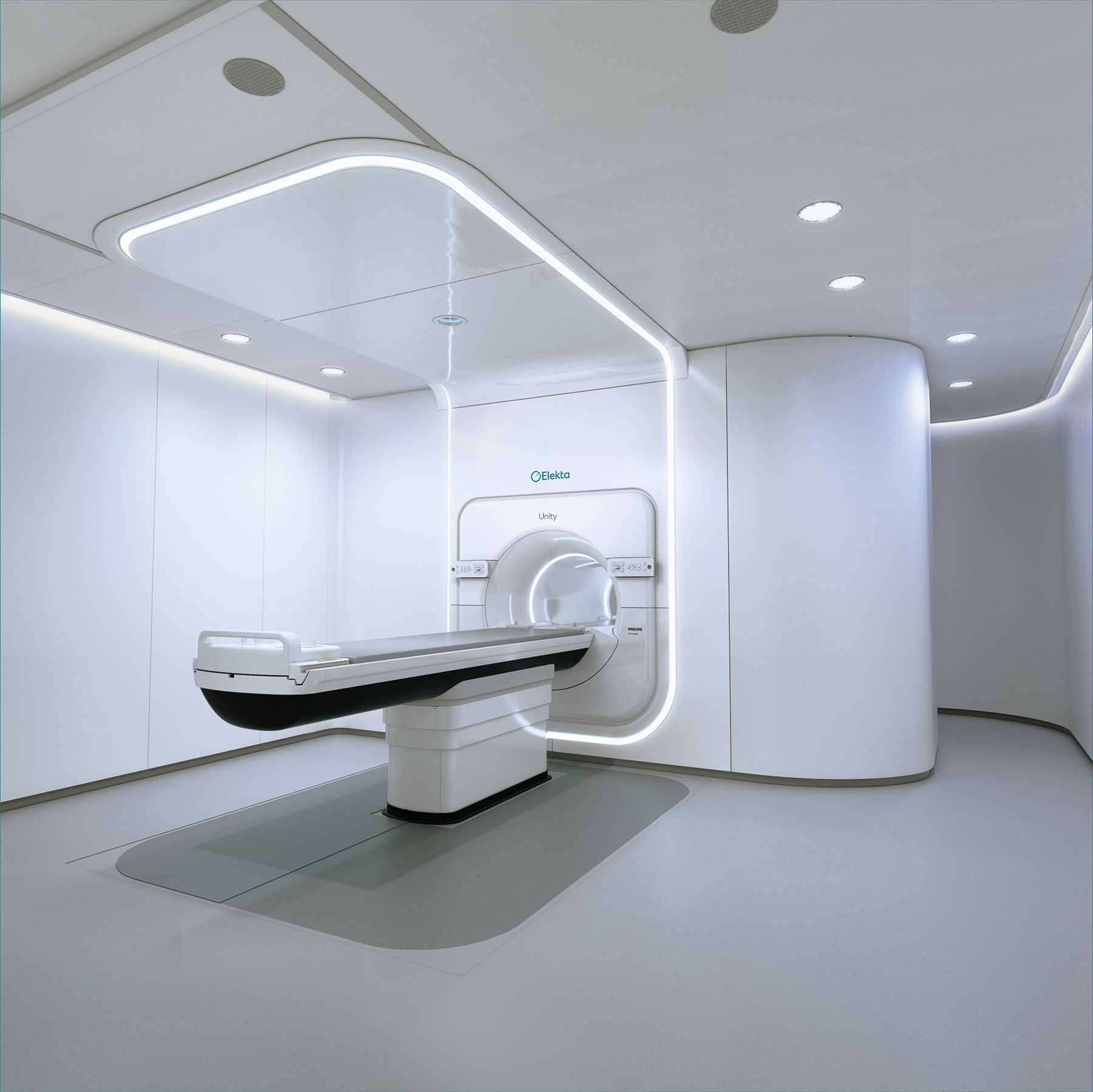

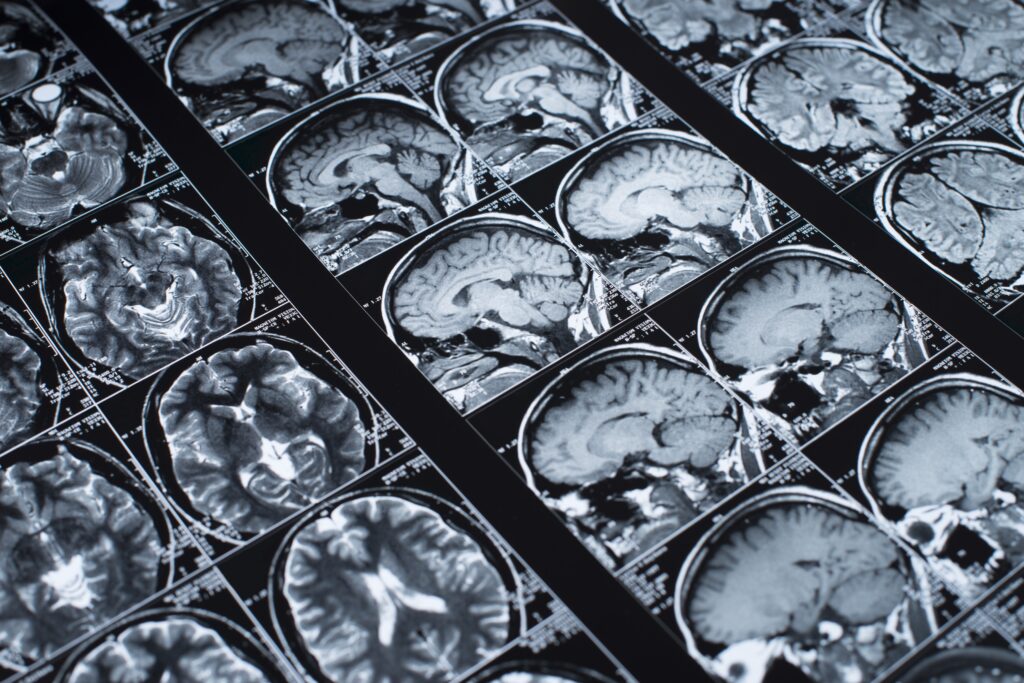
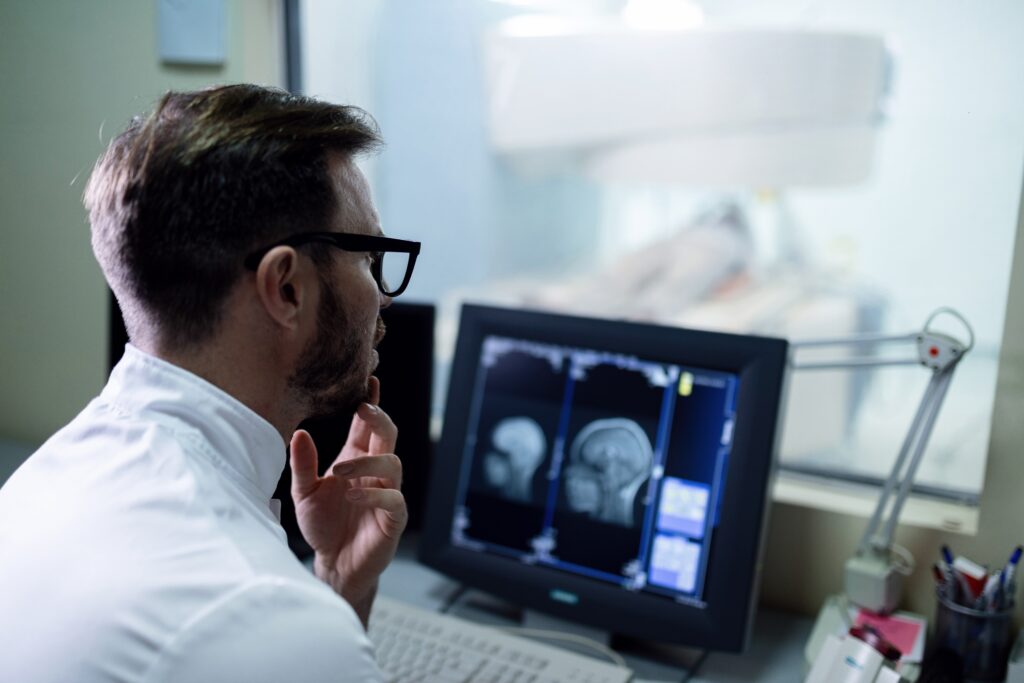
MR-LINAC (Magnetic Resonance Linear Accelerator) represents one of the most significant innovations in modern radiation oncology. This technology integrates high-resolution MRI imaging with a linear accelerator, enabling clinicians to visualize tumors in real time during radiation delivery.
Unlike conventional radiotherapy, where imaging is typically performed before treatment, MR-LINAC allows continuous soft-tissue visualization throughout each session. This enables adaptive, highly personalized treatment.
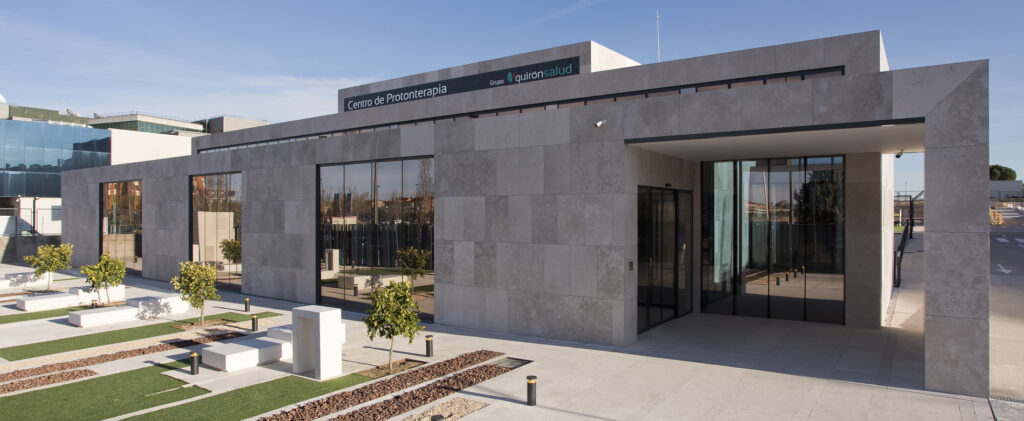
Despite its clinical potential, MR-LINAC remains a relatively rare technology. In Spain, there are currently only a handful of operational systems, approximately four centers, highlighting its exclusivity and technological complexity. One of the leading institutions offering this technology is the Quirónsalud Proton Therapy Center in Madrid.
MR-LINAC combines two advanced technologies:
This integration allows for:
The most widely used systems are developed by companies such as Elekta (Unity MR-Linac) in collaboration with Philips for MRI technology.
One of the defining features of MR-LINAC is continuous visualization of the tumor and surrounding organs during radiation delivery.
This allows clinicians to:
MR-LINAC enables gating and tracking, meaning radiation can be synchronized with the tumor’s exact position in real time.
This is especially important for:
Each treatment session can be adjusted based on daily anatomical changes:
This process is known as online adaptive radiotherapy, which improves accuracy and safety.
Because MR-LINAC provides superior soft-tissue contrast:
One of the most impactful benefits is the ability to deliver higher precision doses per session.
For example:
This approach is often referred to as stereotactic body radiotherapy (SBRT).
Both MR-LINAC and proton therapy represent advanced forms of radiation therapy, but they differ fundamentally in their physical principles and clinical applications.
| Feature | MR-LINAC | Proton Therapy |
|---|---|---|
| Imaging | Real-time MRI | Typically pre-treatment imaging |
| Adaptation | Daily adaptive treatment | Limited real-time adaptation |
| Radiation type | Photons (X-rays) | Protons |
| Dose distribution | Highly precise, adaptive | Unique Bragg peak (energy deposition) |
| Motion management | Real-time tracking | More limited |
| Availability | Very limited | Limited but more widespread |
These technologies are not competitors but complementary tools. The choice depends on:
Treatment decisions are always individualized and made by a multidisciplinary medical team.
The Quirónsalud Proton Therapy Center in Madrid represents a unique example of integrating two of the most advanced radiation technologies:
This strategic combination allows:
The center utilizes:
This system enables full implementation of online adaptive radiotherapy workflows, including:
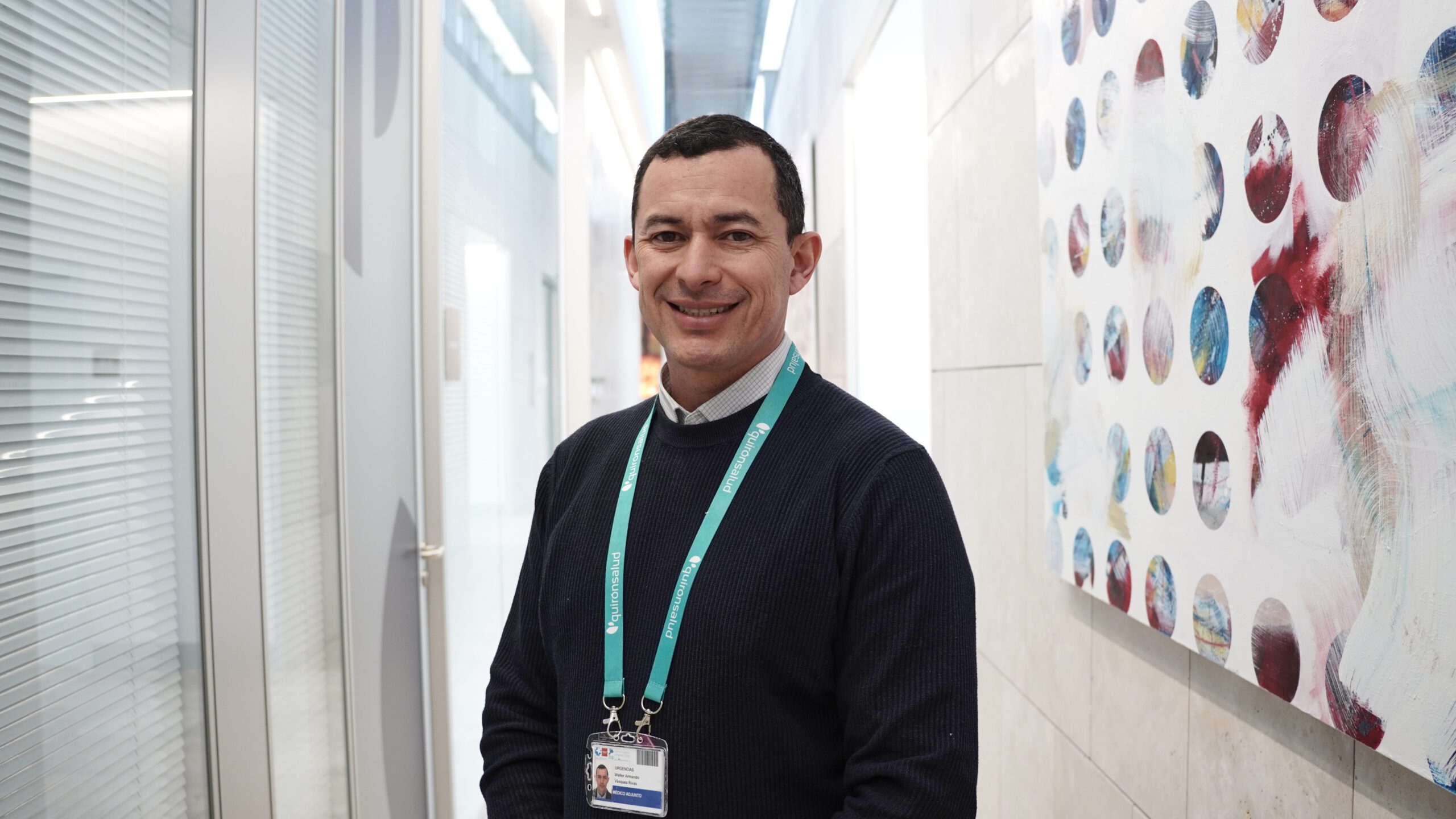
The MR-LINAC program at Quirónsalud is led by Walter Vasquez Rivas, Radiation Oncologist and Clinical Lead for the MR-Linac Unity program.
Dr. Vasquez brings:
He is actively involved in:
Additionally, Dr. Vasquez has participated in international MR-LINAC training and collaborations, including advanced clinical observerships in specialized centers.
His work focuses on delivering high-precision, patient-centered care, particularly for international patients.
MR-LINAC is an evolving technology with ongoing clinical research in:
Organizations such as:
continue to evaluate its role in clinical guidelines.
While early data are promising, long-term outcomes are still being studied.
MR-LINAC may be considered in cases where:
Examples include:
A detailed evaluation by a radiation oncologist is required to determine suitability.
MR-LINAC represents a major advancement in radiation therapy by combining real-time imaging with adaptive treatment delivery. It offers improved precision, potential reduction in treatment sessions, and enhanced personalization.
When available in specialized centers such as Quirónsalud Proton Therapy Center, it can be part of a broader strategy that includes proton therapy and other advanced techniques.
As with all cancer treatments, the optimal approach depends on individual patient factors and should be determined by experienced multidisciplinary teams.

Fill out the form and we will contact you shortly
Protontherapy.help provides a consultation service with a general practitioner.
During the consultation, the specialist conducts an initial assessment of your medical case for compliance with the main criteria for proton therapy and answers basic questions.
The service is provided free of charge and does not impose any obligations on the patient.
To receive an individual treatment plan, a consultation with a radiation oncologist is required, this service may be paid, depending on the conditions of the proton therapy center you have chosen.